

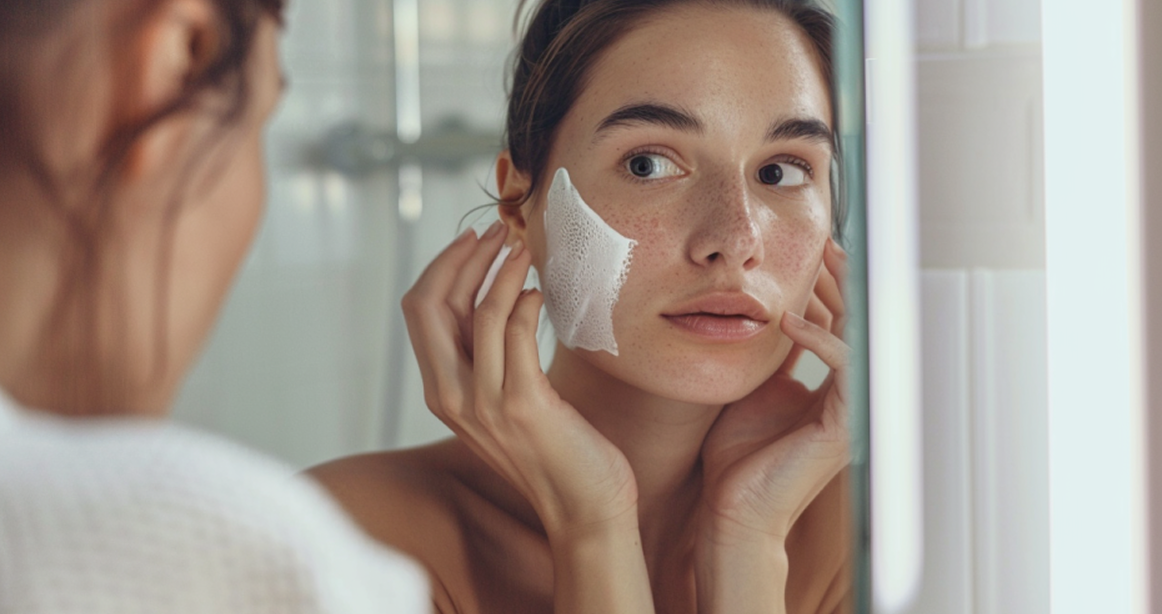
Stress doesn’t just affect your mind—it shows up on your skin too. When you’re under constant stress, your body releases higher levels of cortisol, a hormone that can trigger excess oil production, clogged pores, and inflammation. This often leads to common skin issues such as acne breakouts, dullness, sensitivity, and flare-ups of conditions like eczema or psoriasis. Over time, stress can also weaken the skin’s natural barrier, making it more prone to dryness, redness, and premature aging.
One of the most noticeable effects of stress on the skin is accelerated aging. Chronic stress slows down the skin’s ability to repair itself, reducing collagen and elastin production. This can result in fine lines, wrinkles, uneven skin tone, and loss of firmness. Stress can also disrupt sleep patterns, and poor sleep further prevents the skin from regenerating properly, leaving it tired, puffy, and less radiant.
Restoring balance starts with combining effective beauty treatments and healthy lifestyle habits. Professional facials, calming treatments, and hydrating therapies help soothe stressed skin, reduce inflammation, and restore moisture levels.
Step 1: Start with a Gentle Cleanser
Cleansing removes dirt, oil, and impurities that build up throughout the day. Choose a gentle cleanser that doesn’t leave your skin feeling tight or dry.
Tip: Cleanse twice daily — morning and evening.
Step 2: Moisturize Every Day
Moisturizing helps maintain your skin’s natural barrier and keeps it hydrated. Even oily skin needs moisture to stay balanced.
Tip: Pick a lightweight moisturizer if your skin feels greasy.
Step 3: Protect with Sunscreen
Daily sun protection is one of the most important steps in skincare. It helps prevent early aging and protects your skin from sun damage.
Tip: Use sunscreen every morning, even on cloudy days.
Step 4: Keep It Consistent
Consistency matters more than using many products. A simple routine followed daily delivers better results than switching products often.
Give products time to work before changing them.
Step 5: Listen to Your Skin
Your skin can change due to weather, stress, or lifestyle. Adjust your routine gently when needed instead of overcorrecting.
A simple skincare routine built around cleansing, moisturizing, and protection can support healthy skin when followed consistently.


Really insightful post! I love how clearly you explained the link between stress and skin issues. The simple balance-restoring tips are so practical and easy to follow. Great read!
Such a well-written article—stress is often overlooked when it comes to skincare. The holistic approach you shared makes a lot of sense. Thanks for the helpful advice!
This blog perfectly explains what I’ve been experiencing with my skin lately. The calming treatments and lifestyle tips are spot on. Really informative and uplifting!